The New York DMV offers a free tool that tells a driver whether a personalized plate combination is still open. The lookup asks for the design and the characters you want, then reports whether the state can print that number. It takes a minute and can be repeated as often as you like. Since the check is free, there is no reason to file an order on a guess and wait weeks to hear that the wording was already taken. A quick search saves a mailing, a fee, and a wait.
This page sets out what the lookup checks and what it cannot promise. It shows when to run a check, how to read one of three results, which patterns the state keeps for standard issue, and why a number that reads as free can still be declined at review. It then maps the order that follows a clean result. Work through it before you settle on a combination you plan to keep for years. A few minutes of checking beats a rejected application and a refund request. The tool is open to anyone and needs no account.
Using the Custom Plate Lookup
The lookup is a free service on the DMV site that answers a single question: can the state issue this exact combination on this exact design? It reads the personalization pool, the list of combinations already on a plate or held in reserve. It does not place an order, charge a fee, or hold the number for you. Run it as often as you need as you pick the wording. The facts below cover what the tool handles and what it leaves to a human review.
When to Run a Check
Timing matters when a combination is close to the one you want. Run the check before you file an order, before you pay a fee, and again if you change a single character. A number can open up when a driver drops a registration, and it can close when another driver claims it first. The steps below put the check in the right order.
- Pick the design first
Choose the plate design before you choose the characters. A combination that is free on the standard series may already sit on a popular picture plate. The lookup needs the design to give a true answer.
- Write the combination exactly
Type the letters, numbers, and spaces in the order you want them to print. A space counts as a character, and the state outline marker takes one slot. Change one letter and the result can flip.
- Run the free check
Enter the design and the combination in the tool and read the result. The service costs nothing and needs no account. Note the wording you tested, so you can retest the same string later.
- Test a backup choice
Check a second and a third combination in the same session. A popular phrase can disappear between visits, and a backup keeps the order moving. Save each result until you decide.
- Read the result with care
A free result means the tool finds no match in the pool, not that the state approves the wording. A reserved or taken result ends the search for that string. Read the gap before you pay.
- File the order before the number closes
Order soon after a clean result, since the tool holds nothing for you. Another driver can claim the same string in the meantime. Pay the charge and keep the confirmation.
- Personalized plate availability check:
- transact3.dmv.ny.gov/platespersonalized
- Personalized plate rules and ordering:
- dmv.ny.gov/plates/personalized-plates
How to Read the Result
The tool returns one of three answers. A free result means no plate in the pool carries that string. A reserved result means the pattern is held back for standard issue, so the state will not print it as a personalization. A taken result means another vehicle already carries the combination. Only the free answer lets you move to an order. Treat each result as a snapshot of the moment you ran it, since the pool shifts as drivers add and drop plates.
Combinations the Tool Will Not Clear
Some patterns belong to the state and never reach the personalization pool. The standard passenger series runs three letters followed by four numbers, and a second series runs five numbers followed by two letters. Those shapes are blocked, so ABC1234 and 12345AB cannot be ordered as vanity tags. The tool flags them as reserved. A combination that mimics a government, police, or dealer plate is turned down on the same ground at review, even when the shape itself looks open.
Why a Free Number Can Still Be Refused
A free result clears the pool, and it does not clear the review. DMV staff read every request and can decline a combination that comes across as offensive, misleading, or hard to read at a glance. A string that looks like an official mark, an emergency code, or a slur ends the same way. The tool cannot judge tone or intent, which is why a clean result still needs a person to sign off before the plate is printed.
Ordering After a Successful Check
With a free result in hand, you can place the order online, by mail, or at a DMV office. The personalization charge runs $31.25 to $62.50 each year. A personalized custom picture plate costs $91.25, and an assigned custom picture plate costs $60. On a standard plate the personalization fee joins the registration bill at renewal. Mail orders go on form CP-30 when a design needs supporting papers. An order confirms the wording and the design before it prints.
Checking a Number on a Specialty Design
The pool differs from one design to the next, so a check on the standard series tells you nothing about a picture plate. Run the tool again with the specialty design selected. A cause, a college, or an organizational plate can carry a combination that is already gone on the base series, and the reverse holds true. A few designs cannot be personalized at all, and the plate’s own page says so. The image below shows an organizational design from the 2001 to 2010 span.
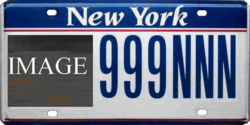
Pick the design first and then test the characters, rather than the other way around. If the design you like is closed to personalization, choose a different one and run the check again. The order form will not offer a chosen number on a design that refuses one. Confirm the design rule before you spend time on a string the state will never print.
How Long a Combination Stays Available
A free combination stays open until someone orders it, and there is no timer on it. The tool does not hold a number as you decide, and a person who orders first wins. A taken combination can return to the pool when the owner lets the registration lapse or surrenders the plate. That release happens on the state’s schedule, not on demand. Order soon after a clean check if the wording matters to you.
Character Rules the Tool Enforces
The tool checks the shape of a combination against the rules for the series. Letters run A to Z, numbers run 0 to 9, and a space uses one slot. The state outline marker counts as a character and can sit in most positions. A run that copies a standard shape, or that uses a symbol the series does not allow, comes back reserved. The table below maps the common patterns.
| Combination pattern | Tool result | Reason |
|---|---|---|
| Three letters then four numbers | Reserved | Held for standard issue |
| Five numbers then two letters | Reserved | Held for standard issue |
| Letters, numbers, and spaces | Free if unused | Ordinary personalization shape |
| A symbol the series rejects | Refused | Not allowed on that design |
| A string already on a plate | Taken | Another vehicle holds it |
| A phrase that reads as official | Free, then reviewed | Staff can decline at review |
A clean shape is not the whole test. The tool reads the shape and the pool, and it does not read intent. Keep the wording simple and free of any mark that could pass for a government tag. When the result comes back reserved, change the shape rather than the design, and run the check again before you file.
Mistakes and Alternatives
Drivers trip on the same few points. Typing a zero for an O and then testing only one version leaves the other untested. Checking the standard series for a number meant for a picture plate gives a false answer. Waiting a month to order lets another driver take a free string. Reading a free result as final approval, then blaming the DMV when a review declines the wording, is the mistake that costs the most time. Run the check for the exact design and order early.
What to Do When a Favorite Number Is Taken
A taken result is not the end of the search. Swap a single character, trade a space for the state outline, or spell the phrase a different way, then run the check again. Many drivers keep a short list of three or four versions and test them in one sitting. The personalization charge stays the same across those versions on a standard plate. Order the first free choice you like, since an open string can close within days.
Personalized Plates on Specialty Designs
Not every design accepts a chosen combination, and the rule is set design by design. The standard series and many picture plates allow personalization, but a few designs are issued only with an assigned number. A plate that raises money for a group may allow a vanity string and add the group’s donation on top of the personalization charge. A driver should read the page for the design before running a check, since the tool will not offer a number on a plate that refuses one. Getting the design right first avoids wasted work. A clean design with a chosen number has to clear both the availability pool and the staff review before it prints.
Which Designs Allow a Chosen Number
Personalization is open on the standard passenger series and on a long list of picture plates, from colleges to sports teams to causes. Some designs sit on a shorter character limit, and a few carry a shorter face that fits fewer letters. A specialty plate tied to a professional group may reserve its own numbering series and leave no room for a vanity string. The plate’s own DMV page states whether a chosen number is allowed, and the availability tool only answers for designs that accept one. Check that rule before you settle on a spelling.
Donations and Extra Charges
Specialty plates often carry a yearly donation on top of the plate and personalization fees. The sponsor group sets that figure, and it can range from a few dollars to much more, and it is charged each time the registration renews. Personalization on a standard plate runs $31.25 to $62.50 a year. A custom picture plate costs $60 with an assigned number or $91.25 personalized at purchase. Add the donation to those figures before you order, so the renewal bill holds no surprise. A driver who drops the design keeps the registration and returns the specialty plate with form PD-7.
Filing the Order and Following Up
After a clean check, the order moves through one of three paths. The online service is the quickest for a standard design, a mail order with form CP-30 suits a specialty design that needs supporting papers, and a counter visit lets a clerk review the documents face to face. Each path asks for the same basics: a current registration, proof of insurance, a photo ID, and the fee. Keep the confirmation that lists the design and the exact characters, since that page settles any question about what you ordered. A printed copy in the glovebox helps if a clerk or an officer asks about the plate.
Online, Mail, and Counter Orders
An online order for a standard plate takes a few minutes and ties the new characters to a registration that is already active. A mail order uses form CP-30 when a design needs proof of membership, service, or residence, and the packet should include that paper along with the fee. A counter order lets a clerk catch a missing document on the spot, which saves a round trip. A personalized plate is made to order, so the old plate stays on the car until the new set arrives. Keep the receipt in the same folder as the registration and the insurance card.
What to Expect After You File
A personalized plate is stamped and printed at the production facility, then mailed, so delivery takes longer than a standard issue handed over at a counter. The registration document arrives with the new number, and the driver should mount the plates 12 to 48 inches from the ground. A plate that fails the review comes back with a notice, and the order can be changed to a different string or canceled. If the plate is lost after it arrives, a replacement costs $25. Update any parking or toll account that lists the old number. Take the old plate off the same day the new one goes on, so two sets never share the bumper.
What the Lookup Leaves to the Order
A clean result settles one question and leaves the rest to the order. The tool reads the pool of combinations on the design you picked, and it reports whether that exact string already sits on a plate. It does not judge tone, hold the number, or send the request to a clerk. Everything after the free answer runs through the order form, the fee, and a staff review. A driver who treats the check as the first gate rather than the final word avoids a surprise weeks later.
Free on the Tool, Still Reviewed by Staff
The three results from the lookup cover the pool and nothing else. A string that comes back free can still be turned down when a clerk reads it, since the state bars wording that looks offensive or that could pass for an official mark. A driver who writes a phrase meant as a joke, or one that copies a police or government format, may see the order returned after the check said the number was open. Keep the wording plain, avoid any symbol that mimics an agency tag, and read the plate aloud to catch a string that could be misread.
Numbers Held for the Standard Series
New York keeps two standard shapes for passenger issue, and those shapes stay out of the personalization pool. One runs three letters followed by four numbers, and the other runs five numbers followed by two letters. A driver who wants ABC1234 or 12345AB as a vanity string will see the tool return a reserved result, and no fee changes that answer. The same block catches a combination that copies a dealer, press, or commercial format. Pick a shape the series allows and the check can move forward.
Retesting After a Design Change
Change the design and the answer can flip, so run the tool again any time the plate changes. A combination that is free on the standard base may already sit on a college, a cause, or an organizational plate. Some designs carry a shorter character limit or a numbering series of their own, and a few refuse a chosen number altogether. The design page states that rule, and the availability tool only answers for designs that accept a personalization. Confirm the design first, then test the characters, and keep a note of each string you tried.
Frequently Asked Questions
Drivers ask a few questions about the availability check. The answers below cover the cost of a search, what the three results mean, why a free number can still be refused, and how long an opening lasts before someone else takes it. The tool is simple, and a small amount of care goes a long way.
How much does it cost to check a custom plate number?
Nothing. The DMV personalized plate lookup is free, it needs no account, and it can be run as often as you like. The charge comes later, when you order the plate. Personalization runs $31.25 to $62.50 each year, and a personalized custom picture plate costs $91.25 at purchase.
What do the three results from the lookup mean?
A free result means no plate in the pool carries the string. A reserved result means the pattern is held for standard issue, so it cannot be personalized. A taken result means another vehicle already carries the combination. Only a free result lets you move to an order, and a review still follows.
Why can a free number still be refused?
The check reads the pool, and a person reads the wording. DMV staff review every request and can decline a combination that looks offensive, misleading, or confusing to a reader or a camera. A free result is a step forward, not a final approval, so keep the wording plain.
How long does an available combination stay open?
It stays open until another driver orders it. The tool holds nothing for you, and there is no timer or waitlist. A number can sit free for months, then vanish the day someone else files. Order soon after a clean check if you want to keep the wording.
Does the check cover specialty and picture plates?
It covers each design you select. The pool differs from one design to the next, so a check on the standard series says nothing about a picture plate. Run the tool again with the specialty design chosen. A few designs are closed to personalization, and their own page states that limit.