Registering a vehicle in New York starts with Form MV-82 and a visit or a mailing to the DMV. The state wants to know who owns the car, where it lives, and whether it carries insurance. A completed registration produces plates and a sticker that show the class and the expiry. The process looks long on paper, yet most drivers finish it in one trip when the documents are ready. A private sale takes a little more care than a dealer purchase.
This page covers the people who must register, the papers that prove ownership, and the fees that vary by vehicle class. It covers the move from another state, the link between a title and a registration, and the delays that slow a first-time filing. The aim is a single reference you can keep open as you fill out the forms. Read it once before you gather anything, then work down the list. A checklist beats a second trip to the office.
Who Registers and What to Bring
New York requires a registration for any vehicle driven on a public road. That covers a car, a truck, a motorcycle, a trailer, and a motor home. A new resident has a short window to register a car brought from another state. A dealer may handle the paperwork for a purchase, yet the registration still stands in the owner’s name. Driving an unregistered vehicle can lead to a ticket and a tow.
Documents you need to bring
The clerk checks three things: who you are, what you own, and whether the car is insured. Photo identification proves identity. A title or a manufacturer certificate proves ownership. An insurance card proves coverage. A bill of sale helps when the title is in transition. Bring the actual documents rather than photos, since a clerk may need to hold and copy each one before the registration is issued.
Form MV-82 and related forms
Form MV-82 is the application for registration and title. It asks for the vehicle details, the plate class, and the county. The same form can support a title request, and related forms cover a duplicate registration or a boat. The DMV site lists the current versions and the fee for each. Fill the form in ink, sign it, and match every vehicle number to the title before you hand it over.
Registering a Vehicle in New York
A new car and a used car travel different paths to a plate. A dealer often files the paperwork for a new purchase, and the plates arrive by mail. A private sale puts the filing on the buyer. The steps below fit either case and keep a copy of each document along the way.
- Gather ownership papers
For a new car, use the manufacturer certificate of origin and the dealer bill of sale. For a used car, use the signed title, the bill of sale, and the odometer statement. Check that the seller signed in the right place and that the name matches the identification.
- Add proof of identity and insurance
Bring a photo ID and a current insurance card that lists the vehicle. The name on the insurance should match the name on the application. A gap between the two is one of the most common reasons a filing is sent back for correction.
- Complete Form MV-82
Fill in the vehicle identification number, the make and model, the plate class, and your county. Sign the certification. A single wrong digit in the VIN can delay the title, so read the stamp on the car and copy it exactly.
- Pay the fees and taxes
Pay the registration fee, the plate fee, and any sales tax that applies. A used car bought from a private seller carries a sales tax set by the state. Keep the receipt with your copy of the application.
- Receive plates and sticker
The office may hand you plates and a sticker on the spot, or it may mail them. Mount the plates as directed and place the sticker where the state requires it. Check the registration document against the sticker to confirm the plate number and the end date.
- Get the vehicle inspected
Most vehicles must pass a safety inspection, and many counties add an emissions test. Use a licensed station and keep the sticker it issues. A lapsed inspection can lead to a ticket, so note the due date on your calendar.
- New York DMV:
- dmv.ny.gov/forms/mv82.pdf
- Registration pages:
- dmv.ny.gov/registrations
Moving to New York from another state
A new resident must register a car within the state window after establishing a home. The title from the other state proves ownership. An out-of-state plate comes off once the New York plate is on. The DMV may ask for the old registration and a current insurance card. Surrender the old plate to the other state if its rules require it, and keep the receipt.
Fees, Plates and Requirements
Fees track the class of the vehicle, the weight, and the plate type. A standard passenger registration and a renewal run on the same two-year term. A custom picture plate carries a higher fee, and a personalized plate adds a yearly charge. The table below shows the pattern; the DMV site lists the current amounts, so check it before you pay.
| Vehicle or plate | Term | Fee |
|---|---|---|
| Passenger car plate | Two years | $25 to buy, $25 to renew |
| Custom picture plate | Two years | $60 assigned, $91.25 personalized |
| Personalized plate | Two years | $31.25 to $62.50 each year |
| Replacement plate | Two years | $25 |
| Motorcycle plate | Two years | Set by class |
| Commercial plate | Two years | Based on weight |
| In-transit permit | Short term | $12.50 on Form MV-82ITP |
A fee can change with the state budget, so treat the table as a pattern and confirm each amount on the DMV site. Keep every receipt with the registration. If you overpay or send a wrong amount, the DMV may return the packet and ask for the correct figure.
Plates and the registration sticker
A registration comes with a set of plates and a window sticker. The sticker carries the plate number and the month and year the term ends. On most passenger cars it goes inside the front windshield. A plate stays with the owner in many cases and moves to the next car, and a plate number can change when a plate is replaced.
The state makes its plates at Corcraft, the shop at Auburn Correctional Facility. A damaged plate can be replaced for a fee, and a plate that is lost or stolen should be reported before a replacement is ordered. Keep the old plate if a rule asks you to surrender it.
Insurance and inspection requirements
New York ties a registration to active insurance. The DMV checks coverage, and a lapse can lead to a suspension and a fine. Most vehicles must pass a safety inspection, and many counties add an emissions test. A sticker from a licensed station proves the inspection. Keep both the insurance and the inspection current to avoid a question at a traffic stop.
Title versus registration
A title proves ownership. A registration proves the right to drive on the road. The two documents share a VIN but serve different roles. A title carries a brand such as salvage or rebuilt that follows the car through later sales. A registration carries the plate number and the term. A lender may hold the title until the loan is paid, yet the registration stays with the driver.
Common delays and how to avoid them
Most delays trace to a name that does not match, a missing signature, or an insurance card that lists the wrong vehicle. A VIN typed from memory instead of from the door jamb is another common cause. A bill of sale without a date, or a title with a blank odometer field, adds time. Review the packet once against the DMV checklist before you join the line or mail it.
Name and signature mismatches
The name on the application has to match the name on the identification and the insurance card. A middle initial left off, a maiden name still on a policy, or a business name that reads two ways can send a packet back for correction. Sign the MV-82 in the space the form marks for the owner, and have a co-owner sign as well when the title lists two people. Fix a mismatch on the insurance card with the insurer before the visit, since the clerk cannot change a policy at the window.
VIN and odometer errors
A VIN copied from memory instead of from the door jamb or the title is a common reason a filing stalls. Read the stamp on the car and compare it to the title character by character. The odometer field has to show the true mileage at the sale; a blank box or a figure that does not match the bill of sale draws a question. A title with an open lien needs a release from the lender before the state issues a clean registration.
Registering Special Vehicles
Not every vehicle follows the passenger-car path. A motorcycle, a trailer, a commercial truck, and a dealer lot each carry their own class, fee, and set of plates. The DMV ties the class to the use of the vehicle, so a pickup changed to a work truck moves into a different fee band. A driver who registers the wrong class can face a correction later and a second payment. Read the class definitions on Form MV-82 before you decide, and ask the clerk when the vehicle falls between two categories.
Motorcycles and trailers
A motorcycle registration runs on its own schedule and carries a single smaller plate rather than the pair a car receives. The state sets the term to end each April 30, so a motorcycle sticker shows that fixed month. A trailer has its own class and fee, based on weight rather than on the tow vehicle. Both types need insurance and, where the rules call for it, an inspection. The plate style signals the class to an officer, so a wrong registration can show up at a stop. Keep the title and the bill of sale for either one.
Commercial and dealer registrations
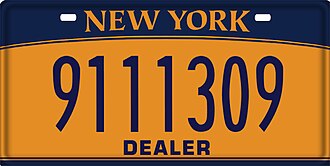
A commercial plate ties its fee to the weight of the vehicle and to the load it can carry. A dealer plate belongs to the business and moves between cars on the lot, so the record points at the dealership rather than at a single owner. A fleet holds many plates under one account, and a plate can shift from one truck to another. These classes face a different fee pattern from a passenger car. Confirm the class and the plate type with the DMV before you file, since the amount and the documents both change with it.
In-transit permits
An in-transit permit lets a driver move a vehicle that is not yet registered, such as a car bought out of state or one that needs repairs before a full registration. New York issues the permit on Form MV-82ITP for a fee of $12.50, and it covers a short window for a limited purpose. The permit is not a registration, and it does not replace plates for daily driving. Carry the permit in the vehicle and follow the dates printed on it. Most buyers use it for a single trip home or to a shop.
Keeping a Registration Current
A registration is only as good as the records behind it. Insurance, inspection, the address on file, and the plate sticker all feed the same account. A change in any one can ripple through the others, and the DMV acts on what its files show rather than on what the driver believes. A quick review at each renewal keeps the account clean. The habits below cover the gaps that most often turn a valid registration into a suspended one without the driver noticing until a stop.
Insurance lapses and suspension
New York links a registration to active coverage, and the DMV checks that link on its own schedule. A policy that lapses for even a short time can trigger a suspension and a restoration fee, separate from any premium the insurer charges. The state often hears of a lapse before the driver fixes it, since insurers report coverage changes directly. Keep the policy paid and current through the whole two-year term, and act at once if a lapse notice arrives. Driving on a suspended registration can bring a ticket, a tow, or a court date.
Address and name changes
A move or a name change has to reach the DMV file. The registration and the sticker both mail to the address the state holds, so an outdated record can send a renewal to a home the driver left. A name change needs the supporting document, such as a marriage certificate or a court order, before the record updates. Handle both changes soon after they happen. A matching name and address across the license, the registration, and the insurance card head off delays at the counter and in the mail.
Plate stickers and window placement
The registration comes with a paper document and a window sticker for most passenger cars. The sticker shows the plate number and the end date, and it belongs inside the windshield on the driver’s side, to the right of the inspection sticker. A motorcycle uses a plate sticker on the rear plate instead. Press the sticker flat on clean glass so a corner does not lift. Keep the paper registration in the car, since the sticker proves the term and the paper holds the full record.
After the Plates Arrive
The registration is not finished when the plates reach your hand. Mount them at the right height, post the sticker, and check that the paper registration matches the plate number. The state mails or issues a document that lists the owner, the vehicle, the plate, and the term end. Keep it with the insurance card in the car, since a traffic stop may ask for both. A clerk or an officer reads the plate and the document together, so any mismatch is worth fixing the same week you spot it.
A new owner should expect a few follow-up items. The title may arrive by mail weeks after the plates, and a financed car keeps the title with the lender until the loan is paid. A dealer may send the plates and the registration in separate envelopes. Note the end date on the calendar so the next renewal does not slip past. If a document fails to appear, call the office that handled the transaction rather than filing a second application.
Keep the old plates in mind when you sell a car. A seller who removes a plate should surrender it or move it to a replacement vehicle under the state rules. Handing plates to a buyer without a transfer leaves the record in the seller’s name. Complete the paperwork that moves the plate or retires it, and keep the receipt with the bill of sale. A clean break at the sale protects both sides if a ticket arrives later.
Taxes, Fees and What You Pay at the Counter
A New York registration pulls together more than the plate fee. Sales tax on a private purchase, a title charge, and the registration amount all land on the same bill. The county sets part of the sales tax rate, so two buyers of the same car can pay different totals. Ask for the breakdown before you pay, and keep every line of the receipt with your papers.
Sales tax on a private sale
A car bought from a private seller carries New York sales tax based on the purchase price or the state’s book value, whichever the DMV applies. The buyer pays it at registration rather than to the seller. A bill of sale states the price and the date, and the clerk uses both to set the tax. A gift transfer between close family members may qualify for an exemption, and the DMV asks for the form that proves the relationship.
Titles and lien releases
A title proves ownership, and a lien on that title has to be cleared before the state issues a clean document. A lender that holds the title signs a release once the loan is paid, and the buyer files that release with the registration. A car with a salvage or rebuilt brand keeps that mark on the title through later sales. Read the brand before you buy, since it follows the vehicle and can affect the price and the insurance.
Payment at the counter
An office takes cash, a check, a money order, or a card, and the accepted methods are posted at the window. A mailed packet usually travels with a check or a money order made out to the Commissioner of Motor Vehicles. Write the plate number or the VIN on the memo line so the payment ties to the right file. Keep the stamped receipt, since it carries the date the state received the fee and settles any question about a late charge.
Frequently Asked Questions
Registration raises the same practical questions for every new owner, from a first car to a move across state lines. The answers below reflect current New York DMV practice. Keep the list handy when you fill out Form MV-82 and gather your documents. If a clerk rejects a paper, the reason is usually on this list.
How long does a New York registration last?
A standard registration runs for two years. The sticker shows the month and year the term ends. A renewal continues the same two-year cycle. A short-term or in-transit permit is the exception and covers only the window printed on it.
What form do I use to register a car?
Form MV-82 covers registration and title together. A duplicate registration uses a different form, and an in-transit permit uses Form MV-82ITP. Download the current version from the DMV site, fill it in ink, and sign it. An old copy may list a fee that no longer applies.
Do I need insurance before I register?
Yes. New York requires active insurance before the DMV issues a registration. Bring a card that lists the vehicle you are registering. If coverage lapses later, the DMV can suspend the registration and charge a fee to restore it. Keep the policy current for the whole term.
Can I keep my out-of-state plate?
No. Once you register in New York, the New York plate goes on the car. You may need to return the old plate to the other state and keep the receipt. Driving with a plate from a former home state after the move window closes can lead to a ticket.
How much does a custom plate cost?
A custom picture plate costs $60 when it is assigned and $91.25 for a personalized version. A personalized plate carries a yearly charge of $31.25 to $62.50 on top of the base fee. Confirm the amount on the DMV site before you order, since fees can change.