A New York license plate lookup starts with a simple question: what can a member of the public find from a plate number? The answer depends on the state, the data source, and federal privacy law. New York issues plates through the Department of Motor Vehicles, and most plate records are tied to a registered owner whose details are protected. A plate lookup can still confirm a plate format, help match a vehicle identification number, and point to recall or registration checks. It is a starting point rather than a full history.
This page walks through what a plate search actually returns, where the Driver’s Privacy Protection Act draws the line, and how a plate number becomes part of a title or VIN record. You will see the difference between a free state tool, a paid report, and a request that needs a legal reason. The goal is a clear picture of what a New York plate lookup can do and where it stops. Keep the limits in mind before you trust any result, and treat every record as a snapshot of one day.
What a New York Plate Lookup Returns
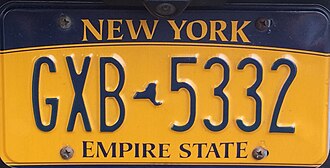
A plate lookup takes a seven-character New York plate and returns the facts that sit on the public side of the record. You see the plate format, the vehicle class, and whether the registration is active on the day of the search. Some tools add a VIN that pairs with the plate, along with the make, model, and model year tied to that VIN. The owner name and mailing address stay off the report. Anything beyond those surface facts normally needs a legal reason under federal and state privacy rules.
The DPPA Boundary and Owner Data
The Driver’s Privacy Protection Act is the federal law that controls personal information held by state motor vehicle agencies. A plate number is public in the sense that anyone can read it on a car, yet the record behind it is not open. New York follows the DPPA and limits release of names and addresses to a short list of permitted uses. A casual request, a curious neighbor, or a marketing list does not qualify. A lawful requester signs a statement and pays the fee, then the state decides.
Plate to VIN conversion
A VIN is the seventeen-character number stamped on a vehicle and printed on its title. A plate points to a registration. The registration points to a VIN. When all three line up, a lookup can treat the plate as a shortcut to the vehicle record. That shortcut has limits. A plate can be surrendered, transferred to a new car, or replaced, and the plate-to-VIN link changes with it. A clean lookup reflects the current pairing, so note the date of the result.
Registration status and open recalls
Registration status is one of the few plate facts that changes on its own schedule. A plate tied to a lapsed registration still exists, but it should not be on the road. A lookup that pulls today’s status can flag a suspension for an unpaid fee or an insurance lapse. Recalls work from the VIN instead. Once you hold the VIN, you can check the National Highway Traffic Safety Administration site for open safety recalls that the maker has not repaired.
Running a Lookup and Reading the Result
A useful plate search follows a short routine. You gather the plate exactly as printed, note the state, and pick a source that publishes how it gets its data. Each step below keeps the search on the public side of the record and leaves a note you can revisit. Write down the date of the search and the name of the tool, since a registration can change between one week and the next.
- Write the plate down
Copy the seven characters in order, using capital letters. Check for a stacked or specialty design that changes where the characters sit. A single swapped letter or digit can pull a different record, so read the plate twice on a clear photo before you type it into any search box.
- Confirm the state
The plate design points to New York, but a similar layout appears in other states. The registration sticker and any slogan help you confirm the source. Search tools that mix states can return a close match from the wrong jurisdiction, and that error is easy to miss on a quick read.
- Choose a free tool first
Start with a state or national tool that publishes its limits. Free lookups often confirm format, class, and status. If the tool asks for a payment before it shows any result, treat that as a paid product and compare it with a second source before you spend.
- Look up the VIN
Once a VIN appears, use it for the checks that run by VIN rather than plate. Recall searches, title brands, and safety notices all work from the VIN. The plate gets you to the number, then the number opens the deeper record.
- Check current status
Registration and suspension data change often. Pull the status on the day that matters for your purpose, such as before a purchase or a court date. A printout from last month may not match the record a police officer or clerk sees today, so refresh the result.
- Record the source and date
Note the site name, the date, and any reference number the tool gives you. If the result conflicts with a document you hold, the note helps you trace the gap. Keep it with your other paperwork for later reference.
- New York DMV:
- dmv.ny.gov/plates/registration-plates
- Recall lookup:
- nhtsa.gov/recalls
Why owner details are withheld
Owner names and addresses are withheld for a plain reason: a plate is visible to anyone on the street, and a linked name would turn that visibility into a tracking tool. The DPPA grew out of a real case in which a stalker used a plate to find an address. New York treats the same data as sensitive. The state, not the requester, decides whether a reason fits a permitted use. That design keeps the balance between public roads and private lives.
Free tools versus paid reports
Not every plate tool is built the same way. A free lookup that shows live state data is a different product from a paid report that bundles history, liens, and market value. The table below lines up what each type tends to offer. Read the source line on any tool before you trust a result, and never enter payment details for a single plate fact you can check elsewhere.
| Feature | Free tool | Paid report |
|---|---|---|
| Cost | No charge | Per report fee |
| Data source | State or national public feed | Brokers and history vendors |
| Owner name | Withheld | Withheld |
| VIN match | Sometimes | Yes |
| Vehicle history | Rarely | Yes |
| Recall check | By VIN only | By VIN only |
| Best for | Format and status checks | Purchase and title research |
A paid report carries value when you are buying a car and need lien, title, and odometer history in one place. A free tool covers the quick questions. Neither one will hand you an owner address, since that step stays behind the DPPA gate no matter what a banner claims.
Commercial and dealer plate lookups
Commercial plates and dealer plates carry their own patterns. A commercial plate often shows a higher weight class and different fees, and a dealer plate connects to a dealership rather than a single owner. A lookup on these series still returns class and status, and the vehicle behind a dealer plate can change from one day to the next as cars move through the lot.
When a plate belongs to a business fleet, treat the record as a snapshot. The registered entity may hold many plates, and a single plate may move between vehicles. Note the class code and the plate type, then confirm anything you need with the state record rather than a third-party summary.
What a lookup cannot do
A plate lookup cannot prove who was driving, cannot show a criminal record, and cannot reveal an owner address. It cannot settle a dispute over a parking ticket, and it cannot replace a police report. A result cannot tell you whether a plate was cloned onto a duplicate. For anything that carries legal weight, the state record and the proper form are the only paths.
Where Plate Data Comes From
Every plate result traces back to a source, and the source decides how much you can trust. A state feed carries records the DMV itself maintains, and a broker collects its data from insurers, auctions, repair shops, and older public files. The two kinds of data age at different speeds. A state record can change the moment a registration is suspended or renewed. A broker file may sit for months between updates. Ask any tool where its numbers come from, and treat a vague answer as a warning sign about the result you are about to read.
State records versus private brokers
A state record comes from the agency that issued the plate, which makes it the closest thing to an authority on registration status and vehicle class. A private broker sells a bundle that mixes state facts with commercial history. Neither source hands over an owner name, since the federal privacy law governs that field no matter who runs the site. The practical split is simple. Use a state source for status and class, and read a broker report as background that needs a second check against the title or the door jamb.
How often lookup data refreshes
Refresh rates vary from live to monthly, and the gap explains most conflicts between two tools. A live query reads the record on the day you ask. A batch file rebuilt once a month holds whatever was true when the file was last written. A plate that changed hands between those two points can show an old class or a status that has already moved. Compare the date stamp on each result, and lean on the fresher one when the two disagree. Note the date in your own file either way.
Matching a plate to a VIN correctly
A plate and a VIN meet in the registration record, and the pairing holds only as long as the plate stays on that car. A plate can be surrendered, transferred, or replaced, and the link shifts with each move. When a tool shows a VIN, compare it with the number stamped on the door jamb or printed on the title. A single wrong character sends recall and title checks to another vehicle. Check the plate format and the state before you trust the match, then write down the VIN you confirmed.
Using a Lookup for a Used-Car Purchase
A plate lookup fits a used-car deal as one step of a longer check. The plate confirms the class and the current status, and the VIN opens the title and recall records. Put the result beside the seller’s story and see where the two line up. A car offered with a clean plate number can still carry a salvage title or an open recall, and only the VIN record shows that. Keep the search small at first, then widen it once the basic facts agree with the paperwork in the seller’s hand.
Checking status before you meet the seller
Run the plate before you drive to see the car. A status check shows whether the registration is active on that day, which tells you if the vehicle is legal on the road right now. An expired or suspended plate is a question to raise, not always a deal breaker. The owner may have let a fee slide, or the car may have sat in a garage. Bring the plate result with you and ask for the registration document so the dates on both can be compared at the meeting.
Reading a title brand by VIN
Salvage, rebuilt, and flood marks live on the title, not on the plate, so the plate search cannot show them by itself. Once you hold the VIN, a title check reveals any brand that follows the car from one sale to the next. A rebuilt title can still be registrable in New York after the proper inspection, yet it changes the value and the insurance cost. Read the brand line on the paper title and match it to the electronic result before money changes hands.
Keeping a record of the search
Save the date, the tool name, and any reference number a lookup returns. A screenshot of the result serves in place of a printout. These notes matter if a fact you relied on turns out wrong, since they show what the record said on the day you looked. Store them with the bill of sale and the title copy. A short paper trail helps if you later need to report a cloned plate or clear up a toll charge that landed on the wrong car.
Acting on a Plate Lookup Result
A plate lookup gives a driver facts, and how those facts get used is a separate matter. A format check, a class check, and a status check all sit on the public side of the record, and they carry no personal data. The trouble starts when a driver tries to stretch a surface result into a name or an address. Knowing where the line falls keeps a useful search from turning into a problem.
When a Plate Turns Up Cloned
A cloned plate copies a real number onto a second vehicle, which sends tickets and tolls to the wrong owner. A lookup can show that a record exists and that the class fits, and it cannot prove the car in the photo is the one on the registration. A driver who keeps getting notices for a car that is not theirs should treat the pattern as a clone. Report it to the local police, keep the report number, and ask the DMV about a fresh number so the old one stops drawing charges.
Correcting an Error in a Record
A plate result can hold a stale class, an old status, or a VIN that no longer pairs with the plate. These gaps grow when a plate moves to a new car or a registration lapses and then renews. A driver who spots a wrong fact should raise it with the state source rather than a broker. The DMV corrects its own record, and the corrected entry feeds every tool that reads the state feed. A broker file may lag for weeks after the state has already fixed the error.
Keeping a Plate Search Lawful
Federal law fences off owner names and addresses, and no lookup tool can lawfully hand one over for a casual reason. A search that stays on format, class, status, and VIN sits well inside the rules. A search aimed at finding a person from a plate does not. A driver with a real legal need should use the proper record request or a lawyer, and a driver with a passing curiosity should expect the name to stay hidden.
Frequently Asked Questions
These questions come up often when drivers run a New York plate search. Each answer reflects current DMV practice and the limits set by federal privacy law. If a tool promises more than these answers describe, check where its data comes from before you rely on it.
Is a New York license plate lookup free?
Basic checks often are. You can confirm a plate format, a vehicle class, and a current registration status through public tools at no cost. Reports that bundle vehicle history, liens, or market value usually carry a fee per report. Owner names and addresses stay out of both the free and the paid tier.
Can I get the owner’s name from a plate in New York?
Not from an open search. The Driver’s Privacy Protection Act limits release of names and addresses held by the DMV. A permitted use, such as a legal or insurance matter, may qualify through a certified request. A random plate seen in traffic does not meet that test. No website can lawfully sell you that name for curiosity.
Does a plate lookup reveal the VIN?
Some tools pair a plate with a VIN, and some do not. When a VIN appears, treat it as the key to deeper checks such as recalls and title brands. Confirm the VIN against the title or the door jamb before you use it, since a wrong number sends every later check to the wrong vehicle.
Why do two plate tools give different results?
Tools pull from different feeds and refresh at different times. One may hold a batch file updated monthly and another queries a live state record. A plate can move to a new vehicle between snapshots. Compare the dates on both results, then trust the newer one tied to an official source.
What should I do if a lookup suggests my plate is cloned?
Report it to your local police and keep the report number. A cloned plate copies your number onto another car, so tickets and tolls can land on your record. The DMV can issue a new plate number after the proper forms are filed. Bring your registration, your identification, and any notices that show the wrong vehicle.