NY license plate surrender is the step that closes a registration and takes the metal off the road. It applies when a car is sold, scrapped, moved to another state, or taken off insurance, and the DMV expects the plates to come back rather than sit in a drawer. Form PD-7 documents the return, and the receipt it produces is the proof an insurer and the DMV both accept.
This page covers when plates have to be surrendered, how the form works, what to do with plates you would rather keep, and how the process differs when a plate is lost or stolen instead of simply retired. It follows the order the DMV asks for the details, so the surrender can be completed in a single visit.
NY License Plate Surrender at a Glance
The points below cover when surrender applies, which form is used, and what proof the process produces.
How to Surrender New York Plates
The sequence below covers the usual case, where the vehicle is sold, scrapped, or moved out of state and the registration is being closed at the same time.
-
Stop the registration from renewing
Surrender is normally completed together with a registration cancellation, so confirm the registration is still in your name and note the plate number and registration class. If insurance has already been cancelled, surrender becomes the document that proves the vehicle is off the road.
-
Complete form PD-7
The Plate Surrender Application asks for the plate number, the registrant’s details, and the reason the plates are being returned. Fill every section, since an incomplete form is the most common reason a surrender cannot be recorded at the counter.
-
Bring the plates and identification
Hand the plates over with the form and photo identification. Both plates are expected for a passenger vehicle, and a single plate for a motorcycle or trailer. Bring the registration certificate or a copy of it to speed up the check.
-
Mail the plates if a visit is impractical
Mail the plates and the completed form to the address printed on it, and keep a copy of the form and the mailing receipt. Mailed surrenders take longer to appear on the record, so allow time before an insurer’s deadline.
-
Confirm the record shows the plates returned
Ask the clerk for the surrender receipt before leaving the counter, or wait for the written confirmation if the plates went by mail. The record is what matters when an insurer or another state asks whether the vehicle was properly removed from New York registration.
-
Keep the surrender receipt with your paperwork
File the receipt with the insurance documents and the bill of sale. It shows the plates are no longer in circulation and that the registration is closed, which is the document most often requested after a sale or a move out of state.
- Plate surrender and plate return:
- dmv.ny.gov/plates
- Plate Surrender Application, form PD-7:
- dmv.ny.gov/forms
When New York Plates Must Be Surrendered
A registration that ends takes its plates with it. Selling a vehicle, scrapping one, cancelling insurance, or registering the car in another state all produce the same obligation, since plates are issued to a registration rather than to a driver.
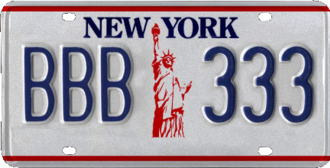
Plates cannot be handed to the person who buys the car, and they cannot be moved to a different vehicle if not you still own both vehicles and transfer the registration with form MV-82. Displaying plates that were not issued for a vehicle carries penalties, and the law treats it as a matter capable of suspending a registration. When a plate is lost or stolen rather than retired, the route changes: a stolen plate is reported to police, who complete form MV-78B, and a lost plate is replaced for $25 once the registration record is corrected.
Moving Out of State with New York Plates
A move to another state ends the New York registration, and the new state usually wants to see either the surrendered plates or a receipt showing they were returned. Surrendering before the move is simpler than trying to do it from a distance, since the plates have to physically reach the DMV or its mailing address. Some drivers keep the plates as a souvenir once the registration is closed, and that is allowed, provided the plates never go back onto a vehicle.
The new state will issue its own plates and registration, and the old New York plates have no role in that process. Holding on to a New York registration and insuring and registering the car elsewhere creates a gap that both states can penalize, so the cancellation and the surrender are best completed before the vehicle leaves the state. A driver who waits until after the move may find the new state unwilling to issue plates until the old registration is closed.
Selling or Scrapping a Vehicle
A private sale ends with the seller keeping the plates and the buyer registering the vehicle with a new set. Handing the plates to the buyer leaves the seller’s registration open, which means the seller can still be held responsible for the vehicle, and it exposes the buyer to a charge of displaying plates not issued for that car. Removing the plates physically, then cancelling the registration and surrendering with form PD-7, closes the loop.
Scrapping follows a similar path. A salvage yard or scrap dealer will take the vehicle without the plates, and the registration should be cancelled once the vehicle is destroyed. If the plates have already gone with the car, the record can still be corrected, but the process takes longer and the seller may be asked to describe where the plates went.
What Happens If You Never Surrender
Plates that never come back leave the registration open, and an open registration keeps generating obligations. Insurance requirements continue, renewal notices keep arriving, and any ticket or toll attached to the vehicle is traced to the registered owner rather than to whoever is driving it. A registration that lapses without being properly closed can affect the driver’s ability to register another vehicle until the record is settled.
Why the Receipt Matters
The surrender receipt is the single document that proves the plates left the owner’s hands. Without it, an insurer asking about a cancelled policy, or a new state asking about the previous registration, has nothing to work from. Filing the receipt alongside the bill of sale and the cancellation notice answers those questions years later.
Plates Lost or Stolen Before Surrender
Plates do not always survive long enough to be handed back. A stolen set should be reported to police, who complete form MV-78B, which supports a free replacement and records the theft on the registration file. A set that is simply lost is replaced for $25 with identification and the registration certificate, and the missing plates should not be used if they turn up later, since the record has already been corrected.
Keeping or Destroying Plates Instead
Some drivers prefer not to mail plates, and the DMV allows a different route when the registration is already cancelled. Cutting a plate into pieces and recycling the metal ends its life as a registration mark, provided the cancellation is on record. What the state does not allow is keeping a plate in circulation, since a plate that is still readable can be used to disguise another vehicle. A driver who plans to destroy the plates should cancel the registration first, since the cancellation is what makes cutting the metal legal rather than a way to sidestep a requirement.
Plates You Want to Keep as a Keepsake
A plate with no active registration is a piece of metal rather than a license to display, and many drivers frame a plate from a first car or a family vehicle. What matters is that the registration behind it is closed and the plate never returns to a vehicle, since a novelty or decorative plate cannot stand in for an official one on a registered car.
Surrender and Insurance Cancellation
Insurers and the DMV work from the same record, so a cancellation and a surrender have to agree. A policy cancelled and the registration is still open leaves the owner exposed to a lapse penalty, and an insurer will normally ask for the surrender receipt before agreeing to end coverage mid-term. Completing the surrender first, then cancelling the policy, keeps the two records in step.
Commercial, Trailer and Motorcycle Plates
Commercial plates belong to a business rather than to a person, so a surrendered set has to be matched to the business name on the registration. Trailers carry a single rear plate, and motorcycles carry one as well, so only one piece of metal is expected at the counter. A fleet disposal closes many registrations at once, and the same PD-7 form covers each set, with the plates grouped by registration number so the clerk can record them together.
Surrender, Cancellation and the Record
A surrender does two things at once: it takes the metal out of circulation and it lets the registration close. The DMV keeps a single record that ties the plate number to the registrant, and that record is what an insurer, a court, or another state reads later. Filing the plates and the form together keeps the two halves of the transaction in step, so the record shows the vehicle off the road from the date the plates were returned. A gap between the return and the cancellation is the detail most likely to cause trouble later, and it is the easiest one to avoid.
Why an Open Record Causes Problems
A registration that never closes keeps producing obligations long after the vehicle is gone. Insurance rules still apply, renewal notices keep arriving, and any ticket or toll tied to the plate is chased to the registered owner rather than to whoever was driving. An open record can block a new registration until it is cleared, and it can surface years later during a background check or an insurance review. Returning the plates is the step that ends the chain, and no fee stands in the way of taking it.
How the DMV Records a Returned Set
The clerk notes the plate number, the registrant, and the reason for the return, then prints a receipt. A mailed set is recorded when it reaches the address on the form, which can take longer than a counter visit. The record shows the date the plates left circulation, and that date is what an insurer uses when a policy is cancelled in the middle of its term. A driver who needs the date to line up with a sale should surrender in person rather than by mail.
What a Receipt Should Show
A surrender receipt should carry the plate number, the name on the registration, the date the plates were received, and a note that the registration was cancelled. A driver should check those fields before leaving the counter, since a missing plate number can make the receipt hard to match to the vehicle later. If the receipt is lost, the DMV can confirm the record on request, though a copy may take time to surface from the state’s files. Keeping a photograph of the receipt is a simple backup.
Surrendering Plates in Special Situations
The everyday surrender is a passenger car sold to a private buyer, but several other cases follow their own path. A move to another state, a business that disposes of a fleet, a plate that was never handed back, and an estate settling a final registration each bring a detail the counter has to handle. Knowing the detail in advance keeps the visit to a single trip and keeps the record clean for whatever comes next.
Plates Held by an Estate or a Business
When a registrant dies, the plates come off the vehicle and are surrendered with a copy of the death certificate or letters of administration, so the record can be closed in the estate’s name. A business surrenders fleet plates under the business name printed on the registration, and the clerk records each set by its plate number. Grouping the plates in registration order speeds up a large return and reduces the chance that one set is missed.
Plates That Never Came Back
A set that was scrapped with the car, lost in a move, or kept in a drawer can still be cleared from the record. The registrant explains in writing what happened to the plates, and the state corrects the file rather than waiting for metal that will not arrive. A plate reported stolen is handled through the police report, since the theft has to be on file before the DMV will release the registrant from the number and clear the record.
Surrender Before You Move Out of State
Another state will usually ask for proof that the New York registration ended before it issues its own plate. That proof is either the surrendered set or the receipt from a mail return, so the return should be finished before the vehicle leaves the state. Handling it after the move means shipping metal back to New York or making a special trip, and both cost more than a single counter visit at the start.
Surrender Paperwork Drivers Often Miss
The counter transaction is short, but a few details decide whether it closes cleanly. The form has to name the registrant exactly as the record shows it, the plate number has to match the metal, and the reason for the return has to line up with a cancelled registration. A driver who signs the title over to a buyer on the same day should finish the surrender in the same visit whenever possible, since the two records are checked against each other later.
When the Name on the Record Has Changed
A name change leaves the registration under the old spelling until the record is updated. Surrendering under the new name without correcting the file first creates a mismatch the clerk has to resolve. Filing the name change before the surrender keeps the plate number, the registrant, and the receipt on one line, which is what an insurer or another state reads months later.
Plates From a Vehicle Sold Years Ago
A set that was never returned can still be cleared. The registrant writes out what became of the plates, whether they were scrapped with the car, lost in a move, or kept in a drawer, and the state corrects the file rather than waiting for metal that will not come back. Clearing the record lifts any block on a new registration and ends the renewal notices tied to the old vehicle.
Mailed Surrenders and Timing
A mailed set is recorded when it reaches the address printed on the form, not when it was posted. An insurer working to a deadline wants the date the plates left circulation, so a counter visit produces that date on the spot. A driver who mails the set should keep the postmark, a copy of the form, and a photograph of the plates before they go into the envelope.
Frequently Asked Questions
These answers cover the questions drivers ask most often when a registration ends and the plates have to come off the car.
Do I Have to Return My Plates When I Sell My Car in New York?
Yes. Plates are issued to a registration, so when the registration is cancelled they have to come back to the DMV or be destroyed once the cancellation is recorded. Plates are never handed to the buyer, and the buyer obtains their own set when they register the vehicle.
What Form Do I Use to Surrender New York Plates?
Form PD-7, the Plate Surrender Application. Complete it with the plate number and registrant details, hand it in with the plates at a DMV office, or mail both to the address printed on the form. There is no fee to surrender.
Can I Keep My Old Plates as a Souvenir?
You can keep a plate once its registration is cancelled, and many drivers frame one or use it as a garage decoration. The plate cannot be displayed on a vehicle, and it must never be passed to another driver, since a readable plate can be used to disguise a car.
What If My Plates Were Lost or Stolen Before I Could Return Them?
A stolen plate should be reported to police, who complete form MV-78B, which supports a free replacement. A plate that is simply lost is replaced for $25 with identification and the registration certificate, and the lost plate should not be used if it turns up later.
Does Surrendering Plates Cancel My Insurance Requirement?
Surrendering is what allows a policy to end without leaving a gap the state can penalize. The receipt proves the plates left circulation and the registration closed, and insurers ask for it when a policy is cancelled mid-term or after a vehicle is sold. A policyholder should ask the insurer in writing what proof it wants, then keep the receipt on file with the policy documents.